New Horizons
 Project Management Academy
 Six Sigma Online
 TCM Security
 TRACOM
 Velopi
 Watermark Learning
 Login
Login



The skills required to thrive in the workforce are constantly changing. However, many organizations and individuals are struggling to keep up, creating a significant digital skills gap. This gap not only hampers business growth but also limits career opportunities for countless workers.
In this blog, we’ll explore what the digital skills gap is, why it matters, and how we can bridge this divide to ensure a prosperous and inclusive future for everyone. Whether you’re an employer looking to upskill your team or an individual aiming to stay competitive, understanding and addressing the digital skills gap is crucial for success in the modern job market.
On this page:
- What is the Digital Skills Gap?
- Investing in Digital Skills
- What is the Digital Transformation Skills Gap?
- Key Challenges of Digital Transformation and How to Tackle Them
- The Evolution of Digital Skills
- Overcoming Digital Skills Gaps: Case Studies
- Conclusion

Discover the Top Training Trends for 2024
Stay ahead with the latest trends and strategies in corporate training.
What is the Digital Skills Gap?
The digital skills gap refers to the disparity between the skills required by organizations to leverage digital technologies effectively and the current skills possessed by their workforce. As technology advances, the demand for proficient digital skills such as data analysis, cybersecurity, cloud computing, and digital marketing continues to grow. However, many employees lack the necessary training and expertise to meet these demands, resulting in a skills gap that can impede business growth and efficiency.
As technology continues to evolve, the demand for digitally skilled workers will only increase. A report by the National Skills Coalition found that 92% of jobs require digital skills, yet approximately one-third of workers lack these essential abilities. This disparity not only limits job opportunities for many but also hampers businesses that struggle to find qualified candidates.

Investing in Digital Skills
Recognizing the urgency of this issue, U.S. Senators Susan Collins and Tim Kaine (D-VA), members of the Senate Health, Education, Labor, and Pensions Committee, introduced the bipartisan Investing in Digital Skills Act in May 2024. Collins noted, “Whether someone is attempting to supplement their current skill set or train for a new career path, digital literacy is essential. This bipartisan bill would help bridge the digital skills gap, ensuring more Americans have access to the training they need to succeed in today’s job market”

This forward-thinking legislation aims to equip adult education programs with the resources needed to prepare individuals for the evolving demands of the digital economy. By enhancing their employability and skill sets, the act seeks to ensure that more individuals are capable of thriving in a technologically advanced job market.
What is the Digital Transformation Skills Gap?
The digital transformation skills gap is a more specific subset of the digital skills gap, focusing on the skills needed to drive and manage digital transformation initiatives within an organization. Digital transformation involves integrating digital technologies into all areas of a business, fundamentally changing how it operates and delivers value to customers. This process requires a range of skills, including project management, change management, strategic planning, and an understanding of emerging technologies. The gap arises when employees and leaders do not possess the necessary skills to successfully implement and sustain these transformations.
The Impact of These Gaps
| Impact | Description |
| Reduced Competitiveness | Organizations with significant skills gaps struggle to adopt and integrate new technologies, making them less competitive in the market. Competitors with a more digitally proficient workforce can innovate faster and respond more effectively to changing customer needs. |
| Decreased Efficiency | A lack of digital skills can lead to inefficiencies in operations, as employees may struggle to use new tools and technologies effectively. This can result in longer project timelines, increased costs, and reduced productivity. |
| Innovation Stagnation | Without the right skills, businesses may find it challenging to innovate and develop new products or services. This stagnation can hinder growth and limit the ability to seize new opportunities. |
| Increased Risk | A workforce that lacks cybersecurity skills can expose the organization to significant risks, including data breaches and cyberattacks. Ensuring that employees are well-versed in digital security practices is essential for protecting sensitive information. |
Key Challenges of Digital Transformation and How to Tackle Them
Embarking on a digital transformation journey is not without its hurdles. One of the primary challenges is resistance to change. Employees who have been accustomed to certain workflows may find it difficult to adapt to new technologies.
Resistance to Change
To tackle this issue, it’s essential to foster a culture of continuous learning and celebrate small wins to build momentum toward larger goals.
Skill Disparity
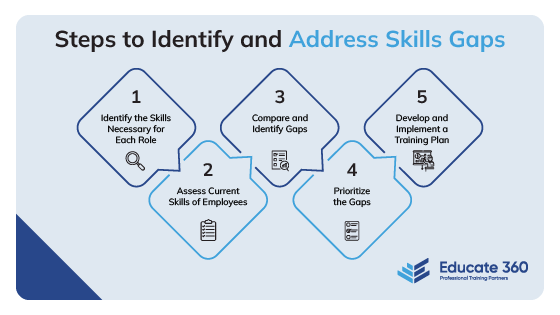
Another significant barrier is skill disparity. While most employees might be literate in basic digital skills, gaps appear when advanced tools and methodologies come into play. This is where targeted training programs become vital. Begin by assessing your team’s current capabilities and identifying areas where improvement is needed. Customized training sessions can bridge these skill gaps effectively.
Data Security
Data security is also a major concern during digital transformation. As you digitize processes, the risk of cyber threats increases. Develop a robust cybersecurity framework and educate your team on best practices. Regular audits and updates to your security protocols will help mitigate risks.
Integration Challenges
Then there’s the challenge of integration. Introducing new digital tools often means they’ll need to work seamlessly with existing systems. Opt for scalable solutions that allow integration with your current technology stack and ensure that your tech team is involved from the start to address any compatibility issues.
Lack of Direction
Finally, dealing with a lack of direction can stall digital transformation efforts. Without a clear roadmap, teams may lose focus. Establish clear goals and milestones, and communicate these effectively across the organization. This ensures everyone is on the same page and working towards a common objective.
Strategies to Bridge the Gaps
| Strategy | Description |
| Invest in Training and Development | Organizations should invest in continuous learning and development programs to upskill their workforce. This includes offering training courses, workshops, and certifications in key digital areas. |
| Foster a Culture of Learning | Encouraging a culture that values learning and adaptability can help employees stay up-to-date with the latest digital trends and technologies. This can be achieved through mentorship programs, knowledge-sharing sessions, and providing access to learning resources. |
| Leverage External Expertise | Partnering with external experts and consultants can help fill immediate skills gaps while providing valuable insights and guidance on digital transformation initiatives. |
| Align Skills Development with Business Goals | Ensure that skills development programs are aligned with the organization’s strategic objectives. This ensures that employees are equipped with the skills needed to drive the business forward. |
| Adopt a Phased Approach to Digital Transformation | Implementing digital transformation in phases allows employees to gradually adapt to new technologies and processes. This approach minimizes disruption and ensures a smoother transition. |
The Evolution of Digital Skills
As artificial intelligence (AI) and automation continue to advance, the digital skills landscape is undergoing significant transformations. These technologies are reshaping job roles and creating a paradigm shift in the requirements for digital competencies.
The Shift in Skill Requirements
AI and automation are not just altering the technical skills needed but are also influencing soft skills and interdisciplinary proficiencies. For example, employers are increasingly looking for professionals who can interpret and leverage data insights, a skill that merges technical acumen with strategic thinking.
Working Alongside AI and Automation
The integration of AI and automation in business processes has accelerated the need for advanced digital skills. Employees now need to understand how to work alongside these technologies, augmenting their capabilities rather than fearing job replacement. This involves learning new tools, understanding algorithms, and maintaining a level of digital agility to adapt to evolving tech landscapes.
The Need for Continuous Learning
This advancement also raises the bar for continuous learning and upskilling. In an era where AI and automation rapidly evolve, staying relevant means continually acquiring new skills and competencies. Training programs and professional development courses focused on these emerging technologies are becoming indispensable. Employees are encouraged to engage in lifelong learning to keep pace with changes and remain competitive in the job market.
Opportunities from AI and Automation
Despite the challenges, the rise of AI and automation brings opportunities. It allows for the automation of repetitive tasks, freeing up human resources for more strategic, creative, and high-value activities. This transition can lead to job enrichment and opportunities for career advancement, provided that employees are equipped with the appropriate digital skills.
The Importance of Proactive Upskilling
In essence, the impact of AI and automation on digital skills requirements underscores the necessity for a proactive approach in digital upskilling. Organizations and individuals alike must prioritize continuous learning and adaptability to harness the full potential of these technologies, ensuring sustained growth and innovation in the digital era.
Overcoming Digital Skills Gaps: Case Studies
By examining real-world examples, we can gain insights into how organizations are addressing these challenges. Here are three compelling examples of how different sectors are tackling the digital skills gap:
Example 1: Retail Industry – Walmart
Walmart, one of the largest retail chains globally, recognized a significant digital skills gap among its employees. With the rise of e-commerce and the need for digital inventory management, many employees lacked the necessary skills to operate new digital tools and platforms. To address this, Walmart launched a comprehensive training program called “Walmart Academy,” focusing on digital skills, data analysis, and advanced retail technologies. This initiative has helped thousands of employees transition to more digitally-oriented roles, improving overall efficiency and customer satisfaction.
Example 2: Financial Services – JPMorgan Chase
JPMorgan Chase identified a digital skills gap within its workforce, particularly in areas like data science, cybersecurity, and blockchain technology. To address this, the company invested in extensive training and development programs. They launched the “Tech Connect” program, which focuses on reskilling non-technical employees for technical roles. This initiative not only filled critical skills gaps but also fostered a culture of continuous learning and innovation within the organization.
Example 3: Manufacturing Industry – Siemens
Siemens, a global leader in manufacturing and automation, faced challenges with digital transformation due to a skills gap in advanced manufacturing technologies like IoT, AI, and robotics. To combat this, Siemens established the “Siemens Mechatronic Systems Certification Program” in partnership with educational institutions worldwide. This program offers training and certification in mechatronics and digital manufacturing technologies. As a result, Siemens has been able to upskill its workforce, enhancing productivity and maintaining its competitive edge in the industry.
By examining these examples, we can see how targeted training programs and strategic initiatives are essential for bridging the digital skills gap and driving innovation in various sectors.
Conclusion
Addressing the digital skills gap and the digital transformation skills gap is essential for organizations looking to remain competitive and innovative in the digital age. By investing in training, fostering a culture of learning, leveraging external expertise, and aligning skills development with business goals, companies can bridge these gaps and position themselves for long-term success. Embracing these strategies will not only enhance operational efficiency and competitiveness but also drive sustainable growth in an increasingly digital world.